SLEEP

It really is all about back-to-basics with your health and there’s a lot of myths and misunderstandings when it comes to sleep and just how important it is.
“Sleep has multiple functions on every biological level.”
Virend Somers, M.D., Ph.D.
THE IMPORTANCE OF SLEEP
This article is tucked neatly into a section entitled ‘Simple Practices for Health’, but for many people, achieving a good night’s sleep is anything but simple, and can actually be a very elusive prospect. There are also people out there who undervalue or misunderstand the importance of quality sleep and what’s more, is that there are people who disregard it entirely. It’s still often a badge of honor in certain circles to “pull an all-nighter,” to brag about how little sleep one got in the service of some higher good, or even to feel empowered by how little sleep they think they “need.”
The reality is that sleep is SO important to our health and longevity that it’s worth spending the time to go over the stats and facts, because even if you KNOW that sleep matters, you might not know just how much. Also, many people don’t realize that there are so many things you can do to improve your sleep. Lots of people I’ve worked with have accepted their fate as a ‘light sleeper’ or have labeled themselves as someone who ‘just doesn’t sleep well’…
Because this topic is SO immense, I’ll limit the scope of this article to what the current science is telling us about sleep and then cover some tips for optimizing this seriously important health hack.
If we’re doing it right, we spend 1/3 of our lives asleep. It’s not a random evolutionary trait leftover from when we didn’t have electricity - it’s actually a deep physiological need, so much so that the Journal of Ethics from the American Medical Association deems sleep to be a Human Right, and the deprivation of sleep as actual torture. (Hello new parents, I see you!)

BENEFITS OF QUALITY SLEEP
The thing that actually makes sleep a “simple” practice for your health is that there really isn’t any debate on whether or not sleep is good for you. Health practitioners of all varieties tend to universally agree that not only does sleep matter for keeping you healthy, but focusing on quality sleep can also increase your health. This makes it a no-brainer, even if a good night’s sleep seems like a deeply elusive prospect. Researchers may not know exactly “why” we sleep, but the data is there to support how crucial it is to our overall health, well-being and ultimately, survival.
Getting enough quality sleep can have a beneficial effect on nearly every organ and system in the body, from deeply essential survival systems, to superficial physical beauty - it’s one potent health hack! We won’t go into details or discuss the studies behind this information, but just to get you thinking about why sleep is SO critical, consider that it is known and shown to improve the following:
Tissue building and repair, including bones and muscles (exercise recovery)
Cognitive function, enhancing your ability to learn new things, solve problems, overall memory and concentration, helps you to stay focused and alert, and increases your attention span
Strengthens the immune system against infections and illnesses, acting as a preventative and also aiding in recovery
Regulates a variety of hormones, both reproductive and including those that regulate hunger signals, metabolism
Supports a healthy mood and emotional balance, reduces overall stress, offers an additional layer of benefit for mental health
Supports physical performance, reaction times, and coordination - reducing the risk of injury
It’s the first step to having sustained, quality energy throughout the day
Blood flow increases, supporting the entire body and it’s processes
More collagen production, leading to better tissue quality of the skin, bones, cartilage, tendons, ligaments, muscles, organs, blood vessels, intestines, and cornea health… potentially less wrinkles!
Are you beginning to see why focusing on sleep as a primary health practice is SO important?

SLEEP MATTERS
These days, quality sleep seems to be regarded as a luxury product. Really, who has the time!? While it may be true that there “aren’t enough hours in the day” the reality is that a lack of quality sleep effects your performance, safety, cardiovascular risk and more - and that’s just what science says about missing one good night’s sleep. Unfortunately, for most Americans, missing quality sleep is the norm, not the rarity it should be.
Let’s start with identifying what a good night’s sleep is. For the sake of getting through this information as simply as possible, we’re going to define a good night’s sleep as 7+ hours of sleep in one night. (The reality is that you can sleep for more than 7 hours and still not get a ‘good’ night’s sleep, and that some people might actually need up to 10 hours, but that’s beyond what we’ll be discussing here.)
So, you had a bad night’s sleep. It’s not the norm for you, and maybe something came up that kept you out late, or maybe you ate too much at dinner, but regardless, it was ONE night, so what?
Well, it turns out that just one night of bad sleep (less than 7 hours) can have a pretty dramatic effect on the body. One interesting statistic that highlights this very well is the phenomenon of daylight savings, a practice where most of the United States shifts the time by an hour twice a year. During one shift, we get an EXTRA hour of sleep, and the other shift, we LOSE an hour of time. According to Adam Spira, Phd, the scientific evidence points to increases in heart attacks, stroke, hospitalizations, mood issues, and increased stress. A 2020 study found that car accidents resulting in fatalities increased by 6% the day after “Spring Forward!” This is all for just one hour of lost sleep on only one day.
Another study from 2021 looking at healthy young adults found that one night of “acute sleep deprivation” resulted in effects on cognitive functions such as visual-motor performance, long and short term memory, decision making, executive functioning and verbal abilities. So much for staying up all night to cram for that test!?
WHAT THE SCIENCE SAYS
The truth is, while the medical institutions of this country may not always seem to have our best health in mind, they HAVE taken the time to do the studies on sleep, and we’ve only scratched the surface. You may think that the only people who are having heart attacks after losing 1 hour of sleep were probably pretty unhealthy to begin with, and that it’s fine to walk through your day a little tired, not thinking quite as straight. Sometimes there’s really nothing you can do about it if you just have to get up and go to work, right? I get it. But there’s actually more to the story, because it’s pretty rare that someone only occasionally misses an hour-or-two here-or-there…
The reality is that Americans are chronically tired. 13.5% report being exhausted or tired most days, or EVERY day over a 3 month period. And if you’re a woman aged 18-44, that number goes up to 20%.
I would be remiss here if I didn’t pause to acknowledge that this is very much a cultural problem. When you ask people why they are tired, they do not usually cite things like eating or drinking too much, or having an uncomfortable bed, or too much light in their bedroom… The reality is, those people who self identify as chronically exhausted believe they are that way beause of stress, and cultural expectation. This may or may not actually BE the reason, but let’s just stop for a second here to acknowledge that people who are tired typically have multiple needs/situations dictating how well they are able to sleep. Assuming that there aren’t cultural issues compounding the problem for them is bypassing a very important element of American grind culture that should not be ignored.

While the above is 100% true, there are still LOTS of things an individual can simply and easily do to begin to shift the dynamics in favor of better sleep, and there will be more of that below - but for the rest of you that are still not identifying as chronically tired, but who also maybe do not get enough actual sleep (I know SO MANY people that only sleep 5-6 hours a night every night and feel OK about it…) let’s keep talking about why sleep matters.
DEADLY EFFECTS
Getting less than 7 hours of sleep on a regular basis begins to affect a variety of systems in the body. After only 3 nights, your metabolism begins to mimic type 2 diabetes, as your glucose metabolism goes out of whack. Over time, if this is a chronic behavior, the lack of sleep absolutely can contribute to making this a more permanent state in the body, and can lead to insulin resistance. If you already have type 2 diabetes, getting less than 6 hours of sleep per night DOUBLES your risk of death.
Getting 4 hours of sleep begins signaling in the body to make more fat cells, and 2 nights of 4 hours increases refined carbohydrate consumption by 33-45% the following day. Sleep affects the hormones leptin and ghrelin, which regulate appetite and hunger.
There is evidence that not only is your metabolism affected, but people who chronically get poor sleep are at a higher risk for hypertension as well as coronary heart disease. In addition, chronically sleep deprived people have more obesity and higher inflammatory markers. These effects are not statistically insignificant and do affect otherwise healthy populations. People who do not get enough sleep have a 20% higher incidence of heart attack. In people who already have hypertension, getting less than 6 hours of sleep per night DOUBLED their risk of death. In people who already have cardiovascular issues such as heart disease or stroke, the risk was TRIPLED! Furthermore, in these same individuals, the risk of death from cancer was also tripled.
If you somehow manage to avoid the physical pitfalls of poor sleep, the mental effects may come for you. A 2021 study showed that 1 in 3 people meet the criteria for clinical insomnia symptoms (…which, as an aside, is interesting considering the above mentioned study that stated that only 13.5% consider themselves chronically tired/exhausted. This means that statistically, and in general, people are much more sleep deprived than they realize!) Additionally, 20% of people met the criteria to be diagnosed with insomnia disorder.
Shockingly, this statistic showed that rates of insomnia had doubled from what they were prior to the pandemic. While many of us recognize that a poor night’s sleep will leave us feeling symptoms like grouchiness or brain fog, most of us fail to recognize that these may actually be symptoms of deeper mental health concerns that could materialize if we continue to get suboptimal sleep.
Sleep deprivation is a symptom of psychological disorders, but also is thought to contribute to their onset or worsening. The relationship between sleep and mental health is considered as “bi-directional” and should give pause to individuals who are experiencing mental health difficulties while also not tending to their sleep health and hygiene.
If you’re still not convinced of how important sleep is to your body - consider how important it is to your longevity. In one study, men who got an appropriate amount of sleep lived 4.7 years longer. For women, the difference was 2.4 additional years of life.
1/3 of Americans do not get the recommended 7-9 hours of sleep, and that’s about 114 million people. Worldwide, people in developed countries sleep on average 6.8 hours a night, and that is down 1.5 hours from a 100 years ago, so this concern isn’t going anywhere anytime soon. Furthermore, we aren’t even diving into the issues around children and their sleep habits and concerns, with additional screen time disrupting circadian rhythms and wrecking the sleep habits of entire generations of developing humans.
SO WHAT DO WE DO?
Well, we could start with fostering a culture of awareness around the value of sleep. We could be encouraging of quality sleep in our circles of family and friends, and we could change the conversation with the invariable moments occur where someone is proud of their sleep deprivation. It really, truly, is cause for concern, not celebration. We could make it more of a priority to teach and instill sleep hygiene in our children, both in our home lives as well as in educational environments. And lastly, we can always first look inward at ourselves, and see where we can change our own habits first, which isn’t always so easy.
I also do not want to downplay the reality that for millions of people, getting a good night’s sleep is a SERIOUS challenge. In 2024, the global “sleep aid” market was said to be around $91 Billion USD. That alone should be a testament to how many people out there WANT to sleep better, but feel the need to get help in doing so.
So, below are the most simple, straightforward steps you can take begin to heal your sleep deprivation. And if you have tried these things before without success, I encourage you to try again, and again and again. Also, many of these changes take time to implement and see benefit from. So, if you’re looking for the quick fix, it really doesn’t exist. Even sleeping pills, which might knock you out, aren’t known to provide the quality sleep your body actually needs, so consider being a bit more devoted to the practice and process of having good sleep hygiene, which will bring out a more lasting, and sustainable change. Plus, in many cases, it’s cheaper than other interventions!

TIPS AND STRATEGIES FOR BETTER SLEEP
There are so many things that one can do to improve their sleep quality. It’s interesting to note that people tend to lean towards pharmaceuticals, supplements, and herbal allies to assist them in getting a better night’s sleep, and in reality, it’s the physical changes that can bring about the most sustainable and long-term benefit. Remember, you’re hoping for deeper, quality sleep, not JUST the hours of time that you’re in bed with your eyes closed…
CHANGE YOUR MIND ABOUT SLEEP - (FREE)
I’m starting here with something that might feel a little ambiguous and not-so-simple, but it’s actually a very low hanging fruit. How you regard sleep, time in bed, and your own struggles with sleep hygiene can greatly affect your success. As a result, the best first step might be to look at your own thought process. If you constantly find yourself having negative thoughts and feelings around the concept of better sleep hygiene/practices, or feel like getting good sleep is overrated, then you may be sabotaging your process from the beginning. Making a solid, positive commitment to yourself, your sleep needs and the process of creating a better sleep reality will help you engage more.
A great example of this is when we find ourselves lying in bed, tossing and turning, unable to settle down and fall asleep. How you THINK about this time TRYING to sleep can seriously affect your outcome. First, feeling frustrated and upset at the fact that you’re tossing and turning isn’t very conducive to drifting off or resting. Focusing on what is NOT working can leave you with more angst than when you first started trying to sleep. Instead, consider trying practices that leave you with a different energy state.
I like to use that time as a space for gratitude practice, and specifically for feeling grateful for the comfort of my home environment, my very nice mattress, my pillow and bedding. Grateful to be surrounded by beings that love me and to live in a safe community. I will try to focus on all the different ways I am experiencing comfort in the. moment. How warm and cozy I may be, how the socks might feel on my feet, or if there’s a refreshing breeze, how enjoyable that is across my face… That practice has changed everything for me because I used to instead focus on thinking about how tired I would be the next day at work. I’d think about all the little things that were annoying me and keeping me from falling asleep, anything from the gentle sounds of the fan blowing to the lack of perfection in pillow… I’d just nitpick the whole vibe until I got frustrated enough to get up or start scrolling on my phone.
So, the first tip, is to start to think about your sleep challenges differently. Perhaps engage the energy with a curious mind and realize that as you try to work on making sleep easier, you are actually focusing on self-care, comfort, relaxation and feeling good as you work through a tough time. You’re giving your body the space to relax into what you want. It also separates you from the struggle of the process and makes way for acceptance of the reality that you’re working on something challenging and important.
CREATE A SLEEP PLAN - (FREE)
A great first step is to do your research and create a plan. You may not want to implement every idea, or all the ideas at once, but making a plan shows a commitment to the process of change, which can take some time. Having goals associated with the plan, can help to solidify what the process will be like for you, and can also help you assess when it’s time to move on and try something new or different.
Additionally, since some of the practices for better sleep might include making a financial investment, you can incorporate planning for that additional expense, beginning with what is free and easy and working your way up to the more expensive options only if needed.
Your plan should include the steps you are going to take, as well as a measurement for how you know you are achieving success. You will want to have a timeline associated with how long you are going to implement said changes before trying something new or giving up, and you should be sure that the plan you make is something that won’t be too difficult for you to actually follow through with.
START A SLEEP JOURNAL - (FREE/LOW COST)
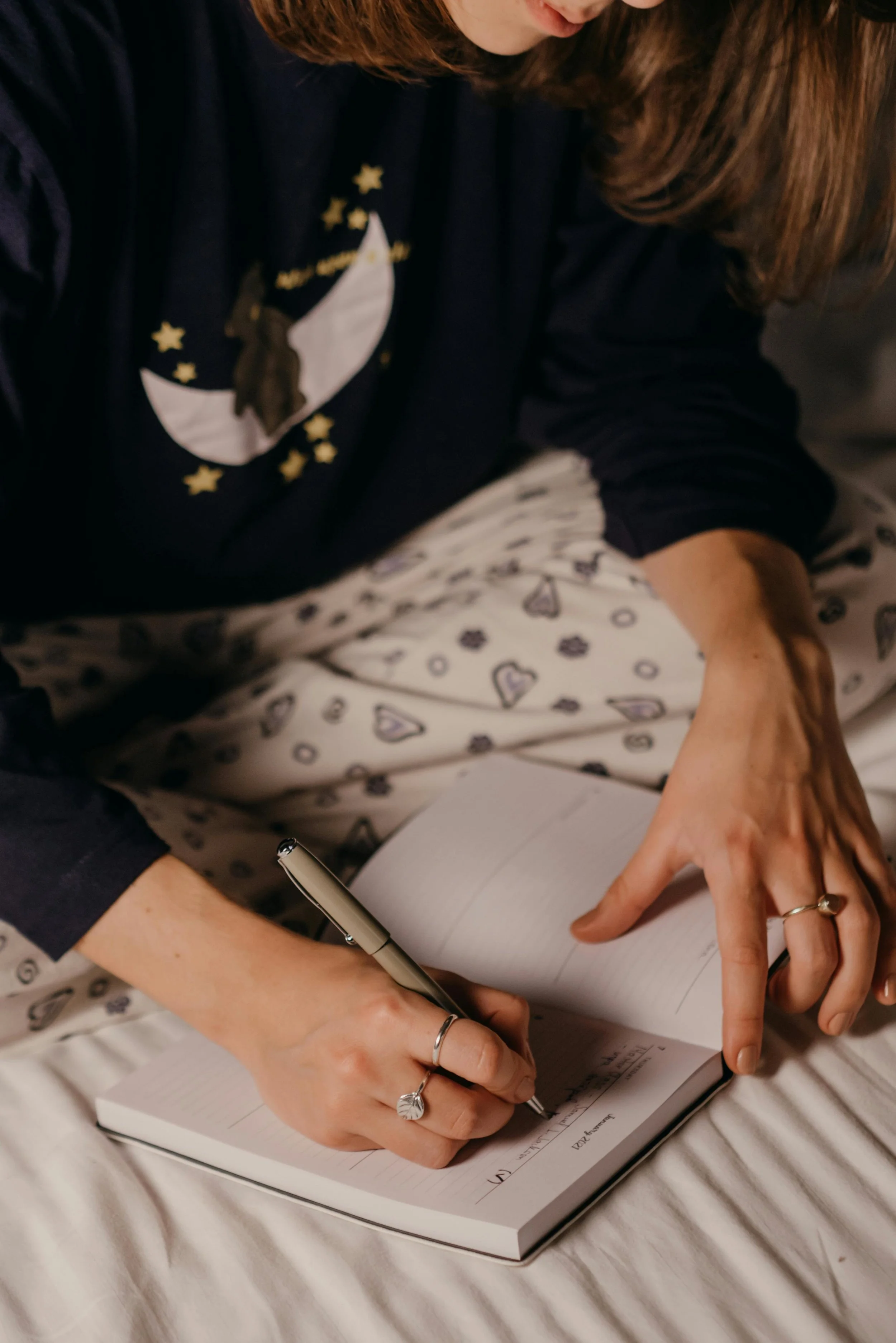
Along the lines of having a plan, you may want to document your process as well. Keeping notes on how well the parts of your plan are going, is useful information. Additionally, noting various features of your day and how the subsequent night’s sleep is affected can really give great insight, especially if you are a woman, because of our natural hormonal cycles, which do interact with our sleep quality and ability to sleep well.
There are a variety items you may want to include in your journaling/tracking process.
SLEEP SCHEDULE - If you just write down when you go to sleep, and when you wake up, that will be informative, but you can also use the journal as a chance to set a goal for what you want your sleep schedule to be, and wether or not you were able to meet that goal from time to time. Note anything that throws your schedule off track.
DURATION - It almost seems too basic to include, but yes, actually keeping track of how long you sleep would be an essential part of a sleep journal. You would also want to keep track of how many times in the night you wake up, as well as how long you were awake for.
SLEEP QUALITY - Sleep quality is a whole separate topic for another time, but what you perceive your sleep quality to be is important. Do you awake refreshed? Do you feel groggy, grumpy, or full of energy and ready for the day? It’s important to note that you might be able to get the recommended 7-9 hours of sleep, while still also NOT waking refreshed and ready for the day. But getting enough hours is an important first step. Dialing in sleep quality can be a process of fine-tuning for later, and in the meantime, tracking what you feel along with these other elements will begin to paint a picture for you over your overall sleep situation.
DAYTIME ACTIVITIES - What you do during the day can have a serious impact on sleep duration and quality. You’ll want to note the major categories of how you spend your time, such as work, exercise and quality time - but it’s also interesting to try to figure out if other activities are having implications, such as what you eat or eating out, screen time, coffee/stimulant intake, as well as things that may cause stress, such as paying bills, deadlines at work, etc.
PATTERNS - Finding some way to track the patters of the relationship between your life and the quality of/ability to sleep is important. It can help to identify things that may be having an effect without you realizing it. For tracking patters, consider making a chart, or symbolic or numerical system. Think “habit tracker chart” but for sleep related information. Include anything that might be relevant to your life such as day/night activity, food intake, naps, exercise, caffeine/alcohol. Noting the time of these activities may also be helpful)
CONSISTENCY - If you use your journal to set any kind of goals, follow the guidelines above at the end of the section on creating a sleep plan. You can also use your journal to track how consistent you are at implementing your new plan. If you find yourself less than successful, that’s okay. What’s important is finding something that you CAN stick to and then celebrating that. Celebrate and then build onto it. By tracking how consistent you are, you may noticed patterns, and that may help you fine tune how you implement your plan.
MOOD AND ENERGY LEVELS - Besides noting how you feel in the morning when you wake, keeping track of the overall energy of your day can give insight into how your daily life might affect your sleep. It’s possible that you sleep better after a long stressful day… and it’s equally possible that you sleep better after a peaceful day. You likely know how extremes in your mood affect you, but you’ll want to try and capture information about non-extreme feelings too, because even slight and subtle changes can and do have major impacts on sleep.
SLEEPING HABITS - Jotting down a few notes about things that you do habitually when it comes to your sleep can shed light on what is and what is not helpful. Something as simple as changing the sheets might turn out to be a big asset if think to keep track of that. Other habits to consider are things like, falling asleep with the lights on, or in front of a TV, checking emails right before bed, or other night time routines you may have.

TRACK YOUR SLEEP PATTERNS WITH TECHNOLOGY - ($$-$$$)
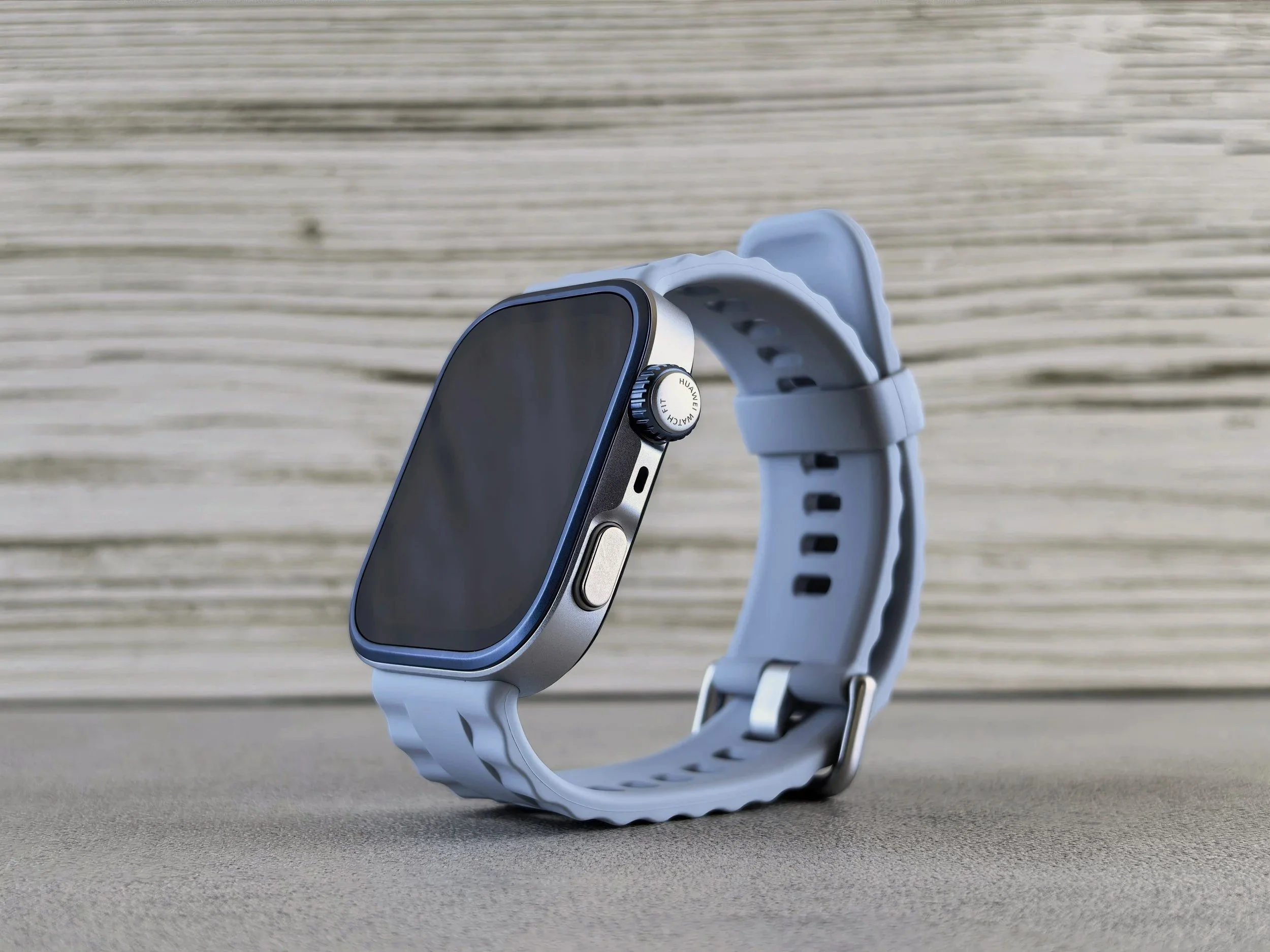
The explosion of technological options we have these days to keep track of our health is truly amazing for those that can afford the devices and the subscriptions. Most digital watches come with some kind of health tracking features, and even one’s phone can have tracking apps in place that will assess a variety of health metrics. The one to note for our purposes is the “sleep score.”
The sleep score is not a standardized system across platforms and each service has variation in the sensitivity of their trackers and also in the application of the various biological information they are using/tracking to create the sleep score. Typically there is more than one metric being assessed, with certain metrics being weighted as more important than others. Things like heart rate, oxygen saturation and wake/sleep movement and activity can be a part of what’s assessed. All together, they create a score that can give you some idea as to how well you are sleeping. Each company and tracker is different, and if you owned one of each, you’d likely get different data from each one. How wildly that data varies is outside the scope of this article.
If you’re looking for a more hands-off way to assess your sleep (and other health metrics while you’re at it) a tracking device might be a good way to get started. Maybe you already have such a device such as an Apple Watch, but you haven’t yet enabled or used that feature?
The benefits of using a tracker are that you can get some good basic information, and while each device/service will come with it’s own disclaimer about the quality and reliability of it’s data, it can be an interesting experiment to just begin the practice of looking at metrics around your sleep. If you have a quality tracker that has a good algorithm, you may get detailed enough information that you can start making adjustments to your lifestyle choices without having to use a journal or spend too much time analyzing how you think you slept.
Garmin and Fitbit would be my two choices for sleep tracking. The Apple sleep score doesn’t appear to use as many metrics. I do not have experience with other trackers, such as the ring options. I do not have any affiliation with any companies selling fitness trackers, I just happen to have used a couple myself.
CONSIDER YOUR SLEEP ENVIRONMENT - (FREE TO $$$$)
It might seem obvious to you, but where you sleep matters a great deal. Most people easily notice when they travel that there is a disruption in their sleep, not only due to the stresses of traveling, but also to a change in the basics, like mattress, pillow, ambient noise, room temperature, etc. Each of these factors can be optimized at home to bring better and better sleep as well!
Your sleep environment includes everything from what you’re wearing to the actual location you’re in. If EVERYTHING else was equal, there is good evidence that if you were sleeping outdoors, you’d likely sleep better. Looking closely at the environment around you can make a huge difference. Here are some aspects to consider:
SOUND - It’s pretty well known that noise in general is not conducive to sleep. But sometimes people fail to realize just how sensitive they may be. In fact, it’s entirely possible for you to rouse from deeper sleep, without fully waking up and realizing that’s what’s happening. So, even in relatively quiet environments, some people may be sensitive to disrupted sleep as a result of sounds.
Also, it’s not uncommon for people to undervalue how much sound might be affecting their sleep quality. For example, sharing a bed or hallway with someone who snores loudly might be keeping you from sleeping as deep, even if you’re able to ‘tune it out’ and get your full 8 hours in. So, looking at this aspect of your sleep environment is worth the effort.
If do determine that you need to work on the sounds in your sleep space, tools like earplugs or a sound machine can be a big help. If you have a snorer in your midst, consider encouraging them to get some help with that (a benefit for both of you!) and also think about these things when looking at buying or renting a home.
LIGHTING - There are a ton of studies looking at the effect that lighting can have on our body. You’ll definitely want to read more about that in the section on circadian rhythm below. But many people don’t realize just how much light can affect overall ability to fall and stay asleep. It’s actually a huge topic that could be its own research paper, but for the purposes of sleep environment, you’ll want to be sure that you’re not bombarding yourself with overhead lighting. It’s beneficial to lower the lights in the evening, and even the color of the lights can have an affect. Keep the light spectrum away from the bright white/blue light and more towards yellows and reds. You can purchase special blue light blocking glasses to wear in the evening if you want extra support, or if you find yourself staying up on screens later than would be ideal.
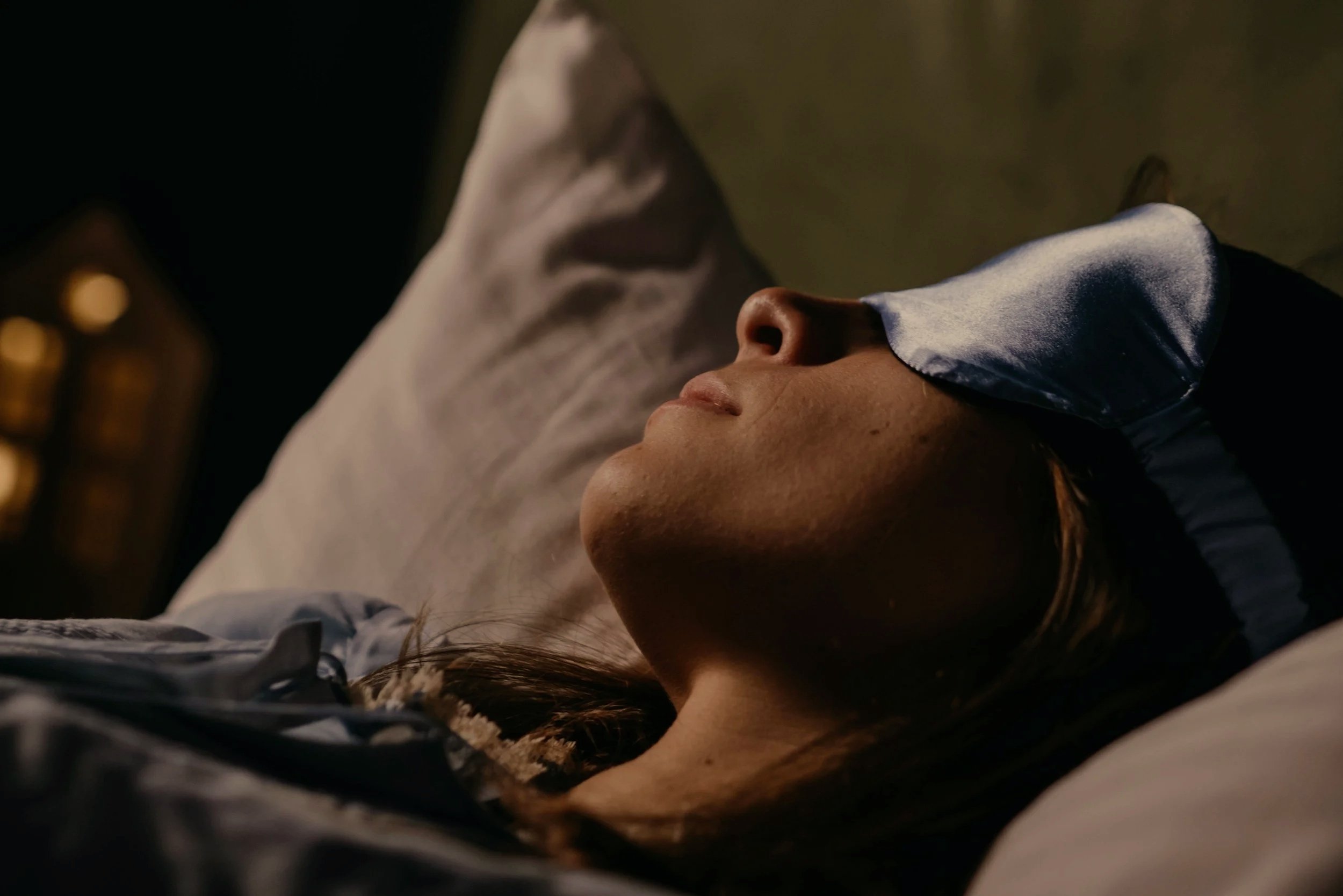
In addition, the light that may be present in the room AFTER you turn the lights off matters too. If you have ambient light from outdoors, or other rooms coming into your sleep environment, that can have a big impact as well. Some people are especially sensitive to the morning light, and will find that their body will wake them up as the sun is coming up, regardless of whether or not they’d like to keep sleeping. Keeping the room as dark as possible while sleeping is ideal, so finding light blocking shades/curtains can be a big help. Even small amounts of light can be disrupting. Some people find it more efficient and effective to use a sleep mask instead. You might not think that is affecting you, but if you struggle at all with quality sleep, it’s definitely scientifically proven that it’s worth your attention!
TEMPERATURE - It’s an often overlooked aspect of your sleep environment, but temperature plays a big role in how sleep. This is actually an interesting and deep topic, but basically, your body will default to thermoregulation needs over quality of sleep. Your body itself will keep you from sleeping if you’re not in the temperature sweet spot. It’s also important to note that while it might be obvious that extremes in temperature would affect your ability to sleep well, we’re also talking here about subtle shifts and variations in the temperature of your room. In today’s world of modern convenience, it’s easier than ever to have control over your sleep environment’s temperature fluctuations, so that’s a great place to start. Each person’s bio-individuality will dictate what their needs are, and this can make for challenges when sharing a sleep environment with one or more people. What matters is realizing what your specific needs are and catering to them. If one person needs a room much warmer than another, then look for solutions that don't overheat the other person. If you like it cooler, then modify your bedding, or sleep closer to a fan or other cooling source. But don't IGNORE the importance of this aspect.
AIR QUALITY - A systematic review in 2020 of multiple studies looking at air quality and how it may affect sleep quality had mixed results. Nevertheless, multiple studies did conclude that both ambient as well as indoor specific air quality can affect sleep in both children as well as adults. This is important to note from the perspective of understanding your overall exposure to pollution based on the location of where you live, as well as assessing acute situations of exposure to air pollution. I for one, having lived through toxic air after several nearby wildfires can attest to the disruption that an abnormal amount of smoke can bring to all aspects of life and lung function. But sometimes we get used to the pollution that’s around us day-in-day out and in certain people this can have a dramatic effect. Even if you don’t take into consideration chemical pollution and just look at things like dust mites or mold spores in the bed or bedroom, some people find a regular exposure throughout the night brings on allergy like symptoms that negatively affect their breathing, sleep and restoration. Carpeting is common in bedrooms, and beds can be notoriously difficult to full clean in/around/under. If any of this resonates with you and you haven’t tried installing an air filter nearby, it may be worth a second look.
EQUIPMENT - Ah… the ‘stuff’ you can get to help you thrive…? Well, yes and no. It could go without saying that if you’re not comfortable in your bed, you’re unlikely to sleep well. Many times people will shirk off the need for a different mattress or pillow due to factors such as cost or even just sheer overwhelm of how to know what would actually be right for you. You may know that your mattress isn’t working for you, but might not know why. Equipment can include your bedding too. If you find your sheets to be scratchy or irritating, they won’t support a good night’s sleep… If you suspect that your bed/pillow/mattress/sheets/etc are not actually supporting you to get your best sleep ever, then it’s worth considering doing a little research and trying new things. It can definitely be an investment, but also, if you’re doing it right, you spend a 3rd of your life in bed sleeping, which, on average, could equate to 20+ years… so, you DESERVE to be comfortable.
“CLEAN SLEEP” - Going beyond the concept of comfort alone, the quality of the materials in your sleeping environment can have an impact as well. Furthermore, it’s gross to think about, but you may be feeling the effects of your bed/pillow/bedding being dirty.
We discussed how sleep environment temperature affects sleep quality, but bedding plays a role in this as well. It’s pretty obvious that if you have TOO MUCH bedding, you are likely to experience temperature concerns, but you may be interested to learn that a dirty bed can also have an effect on your health. A study found that after one week of not washing your pillowcases, they harbor 3 million bacteria, 17,000 times more than a toilet seat. After two weeks, the number doubles, which is 332 times more than a faucet handle. After 3 weeks, they're up to 8.5 million, which is 405 times more than a kitchen sink, and after 4 weeks, there's up to 12 million which is over 39 times the bacteria found in your pet's food bowl. Sounds cozy, right!? Bacteria count may or may not be a concern for you, but skin cells shedding and collecting also contribute to dust mite populations. Both bacteria and mite concentration can cause physical concerns such as acne, rosacea, eye infections and allergic reactions, in addition to actually increasing the temperature of your sleep environment. What’s further, these bacteria and mites can make a permanent home in your pillows and mattress.
To combat this concern, in an ideal world, you would start with a fresh mattress and pillows which have not already been slept on. From there, buy waterproof/anti-allergen covers that can protect them from mites and bacteria so that your core equipment remains fresh. If that’s not in your budget, the covers can still be purchased and used on your existing bed and pillows. There are copper infused sheets and pillow cases available to help combat bacteria, but I am wary of the effect those may have on one's microbiome. However, copper does have health benefits, studies show that continued exposure to copper can enhance skin elasticity, and act as an anti-inflammatory. Consistent use of copper infused bedding may improve conditions such as acne, rosacea and eye infections. Silver infused bedding may have a similar effect. Lastly, just consider washing and changing out your sheets and bedding more regularly. Everyone knows the pleasure of “clean sheet night” and can appreciate how a freshly made bed has its benefits.
OTHER PEOPLE - Other people were mentioned above, and anyone who shares a bed or a room with someone else knows the impact it can have on your sleep. There are MANY factors that can contribute to this from your partner’s tossing and turning habits to co-sleeping with a toddler. The point in mentioning it here is that if this is a factor affecting the quality of your sleep environment, it is OKAY to do something about it - and that something does NOT have to be isolating yourself in a separate room (although sometimes that might be the answer, even if temporarily). There are a lot of ways that you can approach the situation, and fostering a sense of collaboration and communication within the relationship can be a great place to start. It’s typical that only one person is experiencing the difficulty in sleeping while the other is off in dream land, oblivious to your struggle, but there is no requirement to suffer. There are tools, tricks and tips that can really help, from split mattresses and sleep schedules, to practical steps like treating a snoring problem. Just don’t neglect how important this can be, especially if you’re sharing this sleep environment in perpetuity!
The main takeaway from this section is that your sleep environment has a huge role in your sleep quality. Too often people will take for granted just how much change they can affect by modifying aspects of it, and I want to encourage you to at least take the steps needed to address any major issues in this area.
USE YOUR CIRCADIAN BIOLOGY - (FREE)
Circadian Rhythms are an important part of our biology and affect more than our sleep patterns. For the purpose of this article, I want you to know that your circadian biology can be put to use to help you sleep better, and you may be disrupting this important tool inadvertently.
Briefly, if you aren’t familiar with your circadian rhythms, just know that they are a group of physiologic changes throughout the body that occur over the cycle of a day, and are predominantly ruled by exposure to light and dark. It is important to know that other lifestyle factors, genes and disease can also affect them, but light exposure is of particular interest when it comes to sleep. There are two main ways that you can use this information to work on getting a better night’s sleep.
First, light exposure, especially natural light, in the earlier part of the day can help your natural rhythms regulate. Making sure that you get light on your face, even if it’s overcast, and even if your eyes are closed, will communicate to your body that morning has broken, and that you’re body can gear itself toward activity instead of rest. In fact, there are a whole host of other benefits to getting that light exposure, but one known effect is that people who make this a regular practice report sleeping better, and falling asleep easier. The idea is that the light exposure during the early part of the day starts a natural physiological cascade that ends in your body having the right hormonal conditions to support your sleep. There are also studies that show that continued light exposure throughout the day, even if you can’t get out in it first thing can have a similar effect. On a superficial level, it’s as if your body’s clock tunes into the sunlight (again, even if it is behind clouds) and resets itself accordingly. Studies done on humans living temporarily in total darkness show that the circadian rhythms still exist, but they start to shift and fall off of natural time without the exposure to light. So, making sure that you get that bright light exposure is a very easy, and free way to support better sleep.
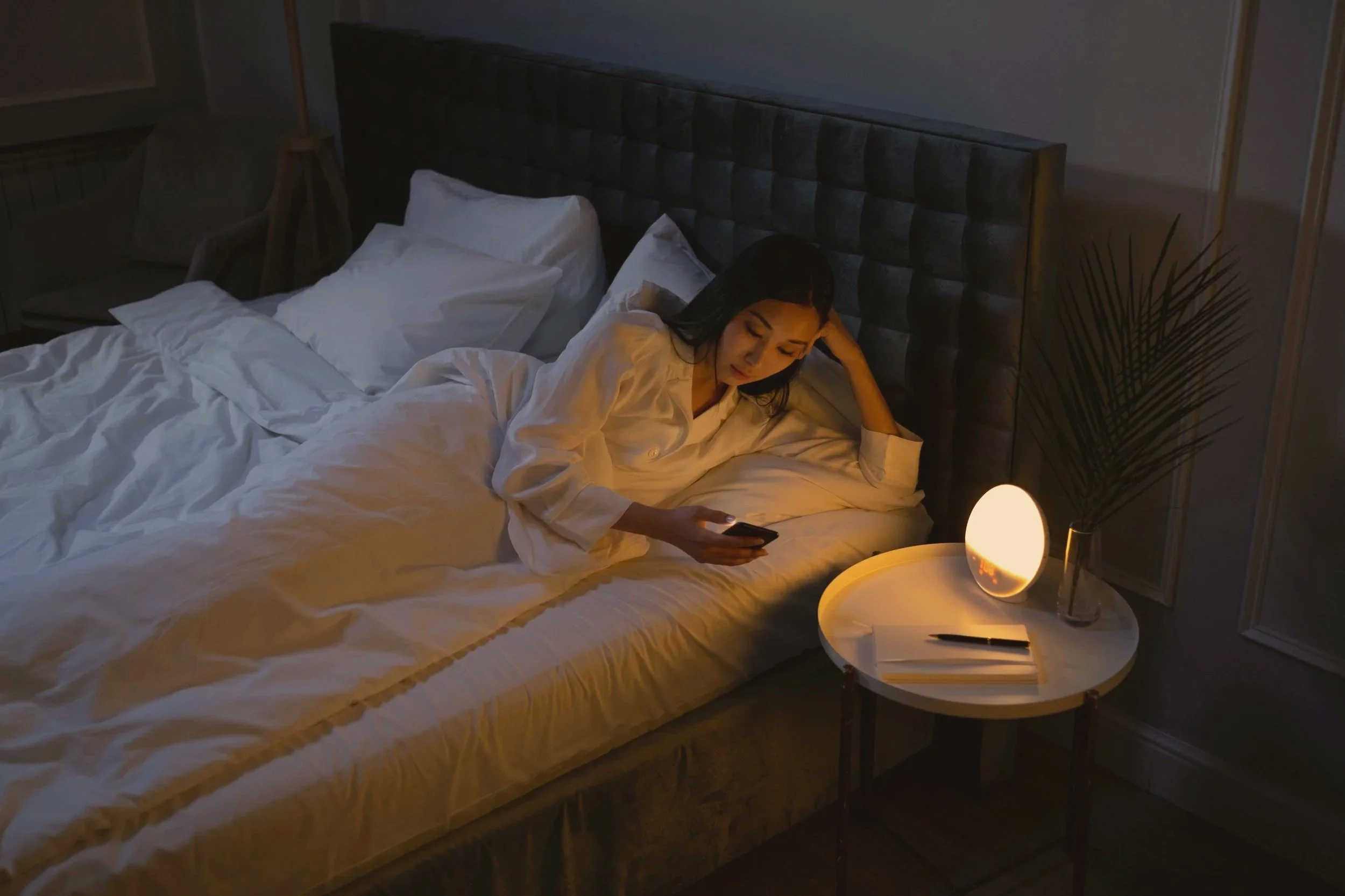
On the other end of your day, it’s quite easy to disrupt your body’s ability to sleep well by exposing yourself to bright light at the wrong time in your circadian rhythm. It is SO COMMON to wrap our day in front of the TV, computer or phone screen - all devices which emit bright light on the spectrum that communicates to our brains and bodies that the sun is still up. According to the National Sleep Foundation, more than half of all Americans regularly use screens in the hour before they go to bed. In fact, the 2022 report said 68% use screens in the evening and 58% right before bed. Despite the fact that this is more common than not, the reality is that the practice has been proven to disrupt the sleep-wake cycle. It also might not take as much exposure as you would think to have an effect. Even as little as watching a 1 hour show in the evening can affect you, and it’s thought to be a combination of the light, and the stimulation. Furthermore, it’s not just screens. Overhead lighting can have a similar effect as well. So, limiting the amount of light you expose yourself to in the evening can cause dramatic improvement if you are experiencing sleep disruption.
Consider setting a time when you turn off all screens in the evening. This could have a beneficial effect on your mental health as well. Look towards lower-level lighting in the evening, or even research light bulbs and light colors that can support better sleep hygiene. At a minimum, you’ll want to stay curious and observe your behaviors when it comes to supporting your natural circadian biology.
It should be noted that you can use other tools to support your rhythms while still living a modern lifestyle that isn’t ruled by daylight. Equipment such as light boxes that can be used indoors to expose you to outdoor light spectrums and blue light blocking glasses for use during evening screen time are readily available online everywhere.
A quick note about light exposure/quality and shift work… Each of these topics could be its own HUGE article. If you’re a shift worker, your circadian biology and light exposure is a going to play a huge part in your overall health and wellness. In addition, the artificial lighting we are all exposed to daily affects each of us in different ways with some people being more sensitive than others. If either of these topics interests you, I definitely recommend doing your research with quality sources to get more information, as they are extremely pertinent to our health.
DIETARY HABITS/CHOICES (FREE-$)
It shouldn’t be a big shock to anyone who has found their way here that the quality of your diet can affect your sleep. At the end of the day (literally) your sleep is another indicator of your overall physiologic health. Your body responds to the inputs and diet matters. It’s actually easy to summarize this by saying that the more one trends to a whole-foods, non-processed diet, the better your sleep quality will respond. Stimulants like caffeine, although processed differently by different people, do affect one’s ability to settle and sleep deeply, and quantity of food and drink is also a factor.
If you’re struggling to sleep well, being honest about your dietary choices is a great way to fine-tune a factor that you might be overlooking. It can be hard to admit that your nightly glass of red wine, while full of antioxidants is actually responsible for a variety of reasons why you sleep poorly. Furthermore, over time, as we age, and/or as our state of health changes, we can begin to see changes in how our bodies do or do not tolerate different dietary choices. Keeping track in a journal is a fabulous way to begin by simply looking for patterns. It would be ideal to note everything, daily, but realistically, even if you begin with writing down what you ate the day before a poor night’s sleep, that could be enough to find an emerging pattern. As a personal example, if I do decide to enjoy an adult beverage, I have come to realize through a variety of tracking methods, that my sleep suffers greatly when I drink wine. If I’ve had a similar quantity of whiskey, however, I still sleep relatively well.
There are studies showing that quality and amount of carbohydrate can negatively impact sleep as well, but I am hesitant, even if there are multiple studies, because we each have different nutritional needs, genetic makeups, and hormonal fluctuations that dictate what our bodies do and do not respond well to. What probably would work best is for you to begin noticing your own patterns, and trust your instincts.
One thing that we can say is that body does not digest food as well while sleeping, and so eating right before bed, or overeating throughout the day can divert the energy needed for rest and recovery to digestion. Laying down and sleeping with a full stomach can lead to issues with heartburn, acid reflux and more. So, timing your eating and assessing the quantity of food also matters.
It would be easy to make blanket statements about diet and sleep, but the reality is that only you can figure out what eating habits affect you enough that they might be worth changing. If you’ve been working on steadily improving your sleep over time and still want to fine-tune it even further, diet is a very good option for people who feel like making dietary shifts is easy. If you struggle with shifting what/how/when you eat, this is NOT the place to start making changes, but you CAN start keeping track. Maybe there is something simple that you can shift that would have a big impact.

EXERCISE AND MOVEMENT (FREE-$$)
Much like other lifestyle choices, how you move your body throughout the day can and will affect your sleep quality too. Science knows for sure that movement helps the body sleep better, but hasn’t quite figured out exactly what kind of movement, when or why yet… so there are still a lot of lingering questions. Nevertheless, experts agree that this is one way you can improve your sleep, AND we know that exercise in general improves other areas of health as well. This is a good example of listening to your body, and being curious about different effects.
We do know that exercise can help the body clean up excess stress hormones, which could have an impact. We also know that exercise timing matters too, and that it’s not the best thing to do right before sleep. If sleep apnea is part of the problem, excursive can help control weight issues and have a secondary effect on sleep. Basically, there are probably multiple mechanisms by which exercise supports better sleep, since we know it has multiple beneficial effects on a variety of the body’s systems.
If you don’t get regular exercise or movement, you may want to begin incorporating it into your routine to see if that resolves your sleep concerns. Focusing on extra-relaxing movement practices may also up the ante on its overall effectiveness as well. If you do have a regular exercise practice but find yourself still struggling with quality sleep, consider assessing whether or not your exercise is supporting relaxation overall. Are you working out too hard and draining your body? Or are you workouts too close to when you sleep, causing a disruption there?
Just know that there is a connection, and if your goal is to dial in your sleep, this might be worth assessing.
WINDING DOWN - (FREE)
I would be remiss if I didn’t devote a section of this (very long) article to the very basic concept of winding down. It needs to be mentioned that we are earthly creatures, and there is scientific evidence that we are affected by the rhythms of the planet itself, to say the least. In our modern world, we have adapted and learned to be 24/7 beings. We have access to activity and action at all times through our devices, and if we live in the right area, we can sometimes find all manner of options for being awake and alive at any hour of the day.
If you’ve ever had a child in your life, you know that the routine for getting a young one to settle into sleep typically involves some kind of settling period. A time in the day when we slow down, focus on turning off the trappings of life, and ease into the vibe of rest, restoration and sleep. Indeed, making actual time to give way to the creature comforts of life can be a delicious practice in and of itself, and can have a HUGE effect on how well you sleep.
This little paragraph is intended to be inspiration for the idea that we actually may need a period of time in between when we’re active and when we’re asleep, and that that time can be nourishing and wonderful. I mention it here, just to plant the seed in your mind that you might want to take a look at how move from one part of your day to another, and just like a child, too invested in the evening’s play to want to sleep, you might need a transitional activity to communicate to your body that the day is ending and rest is coming.
If I’ve gotten too poetic for you, never fear - the next section has an extremely detailed and structured way to accomplish the winding down if it doesn’t feel like it would come naturally to you…

CREATE AN EVENING ROUTINE - (FREE-$$)
There is a lot of power in a good routine. Daily routines lead to habits, and if you’re trying to establish practices that support your health and wellness, making them into habits is key. Habits are interesting, because they indicate a kind of mindless activity, something that I don’t necessarily encourage… but if you’re already going to operating from habit, those habits might as well contribute to your health.
What’s interesting is that there is some evidence indicating that people are much more likely to change their morning routine to get enough sleep than they are to take the time to have an evening routine to the same effect. This is a bit disordered, since disruptions in the evening tend to affect sleep quality as well.
Each person typically already has some sort of routine to their day. It is said that the majority of what we do, eat, and think in a given day is simply a repeat from a prior day. Purposely creating a routine with the intention of implementing it over a period of time gives way to the possibility that some of the actions you’re taking may become a regular part of what you do each day. In the case of supporting quality sleep and sleep hygiene, making an evening routine is a great way to establish goals and (even if temporarily) implement and test some things out to see if they support you. In the meantime, you are taking a measured approach to assessing new practices and possibly making them a regular part of your life.
This is an excellent idea for anyone who loves structure and thrives off of making plans and implementing them. However, the evening routine does not have to be rigid. It CAN be a set strict rules, or it can also be a soft suggestion box of ways to be. Whatever works for you is the thing you’re going to want to try. Below are some ideas for how to create and implement an evening routine, along with suggestions for elements to include.
FIRST, START WHERE YOU ARE
So, what is your existing routine? You can start by writing down a list of what you typically do in the hours before bedtime. Most people end up in bed around the same time each day and most people have at least 1 or 2 things that they’ll do most nights before they settle in to sleep. This could be anything from feeding the pets to brushing teeth, to reading a book, or scrolling on the phone.
It’s important not to judge yourself, just be honest. If you see something in your routine that you want to change, that’s okay, but don’t omit it at the outset. Write in on your list, but also consider making a limitation, like you’ll only do that thing for “x” minutes, or perhaps only 2 out of 7 days each week. It is equally important that you make a routine you’re going to succeed at and keep up with, so if you have some bad habits that you’d like to change, great! But if you omit them from your list and aren’t able to immediately follow through, you may consider that a failure. So be realistic about what you’re creating here.
On that note, you may want to start establishing an evening routine one week at a time. Start with your regular habits and just add one each week, so as to not overwhelm your ability to change. Some people do better with small changes, while others are ready for, and thrive on making big grandiose changes.
Once you’ve established your normal routine, look at it and assess ways that you can tweak it to support better sleep. Perhaps you want to add in some calming practices, or perhaps you want to omit some not-so-helpful habits. It may be that you and your partner finally get to connect after the end of a long day when you lay your heads on the pillow, but if you connect by going over the events of your day, however stressful they may have been, that practice may need to be modified.
Below is list of ideas for things that you can consider incorporating into an evening routine, and in fact, this article is full of ideas. You can also just google “evening routine ideas” if you need more inspiration. What you want to do is make a living, breathing document that inspires you to make some changes for the better. It’s a tool, not a contract, so don’t get down on yourself if you can’t follow through. In fact, you might want to start out so slow that you only try to do evening routine for 3 out of 7 days per week. Or maybe only on weekends when you have more time. Some people like to implement the 80-20 rule, even with sleep hygiene.
IDEAS:
Staying off social media after a certain hour
Staying off of screens after a certain hour
Not eating/exercising after a certain hour
Turning off notifications after a certain hour
Dimming/reducing bright lights after a certain hour
Reading a book or magazine instead of watching TV
Engaging in a relaxing activity, such as stretching, family time, or meditative activities
Journaling about your day
Making/writing out a plan for the next day
Laying out clothes for the next day
Doing some light tidying
Warm/Soothing Drinks
Taking a Shower or Bath to “wash off the day” as a transition
Oiling your Skin
Exchanging a quick massage or foot rub. Or rub your own feet
Doing some deep breathing
Lighting a Candle or incense
Transitioning your bedroom to a better sleep environment
Other physical self-care such as brushing your teeth
Lastly, keep in mind that with all change, every little bit helps. If you do a quality evening routine even once, you are taking one small step towards change. In fact, even taking the time to write it down matters immensely, even if you struggle with implementation. If you struggle with this sort of thing, it’s the perfect kind of task to bring to a coach to get outside help with!
THE 10-3-2-1-0 SLEEP RULE
The 10-3-2-1-0 rule is an established routine often advertised as a starting point for getting better sleep. It covers a few of the concepts in this article and can be a perfect option for someone who feels overwhelmed by the idea of having to create their own routine from scratch or who wants something a little more tried-and-true. It works like this:
10 = The number of hours before sleep that you should stop drinking caffeine.
3 = The number of hours before sleep that you should stop eating and drinking (including alcohol).
2 = The number of hours before sleep that you should stop working.
1 = The number of hours before sleep that you should stop using screens.
0 = The number of times you should hit the “snooze” button.**
** This article did not go into the sleep hygiene practices that can be done in the mornings upon waking, but it is included in this routine because the snooze button is not conducive to getting better sleep, has some potential association with decreased mental health and in general is not considered a good habit to have.
ADDRESS YOUR APNEA ($-$$$)
Sleep Apnea, is a disorder where an individual stops breathing appropriately in their sleep. Describing this condition, it’s causes and treatment is beyond our scope, but it’s important to mention because many people go undiagnosed, and as a result suffer a variety of health consequences as well as just feeling tired all the time. Some common symptoms of sleep apnea are:
NIGHTTIME SYMPTOMS (USUALLY NOTICED BY OTHERS)
Loud snoring
Interruptions in breathing
Choking or gasping sounds
Restlessness
Frequent waking
Trouble staying asleep
DAYTIME SYMPTOMS
Waking with a dry mouth and/or sore throat
Waking with a headache
Difficulty concentrating
Mood changes/irritability
Decreased libido
Please talk to your doctor if you have any of the above symptoms or if you would like more information about your risks of sleep apnea. Sleep apnea is a serious condition with serious health consequences that is often overlooked.
WHAT ABOUT NAPPING?
It is well known that napping doesn't not replace a practice of consistent, quality sleep. However, napping comes with similar benefits, and isn’t to be dismissed as a healthful practice. The benefits, including improved memory, cognition, performance, creativity, mood and energy, as well as support for the heart and stress tolerance, can be attained with a nap as short as 10 minutes.
Naps longer than 30 minutes are found to induce a certain level of grogginess, which can make getting through the rest of the day tricky, so you don’t want to overdo it. Furthermore, you may disrupt your circadian biology if you’re napping for so long that your body confuses it with nighttime sleep.
Conversely, if you know that you’ll be missing sleep in the evening, for example due to travel or an event, a long nap during the day can better prepare you to face that eventual sleep loss. In both cases, naps out perform that afternoon caffeine that so many look to for getting through the day.
It has also been shown that napping can improve your ability to sleep well at night, so embracing this habit CAN actually help with your overall sleep quality.
When to nap? Most people find benefit during natural energy dips in the afternoon. If your body is sleepy and you’ve got the time, then that’s a great time to nap. If you are behind on sleep in general, then napping earlier in the day offers maximum benefit, and later naps are better for people who are already well rested.
OTHER CONSIDERATIONS
Sleep position can be a factor in your overall sleep quality. This idea is connected to the quality of your bed/mattress in some cases, and in other cases it can be related to other health conditions. Acid reflux, for example, is an issue that can directly impact your sleep based on what side you might be sleeping on because of the position of your stomach, and how it differs when your lying on your right, left, or on your back. Other aches and pains can be helped or hindered based on sleep position as well. If you do find that discomfort in your body is waking you at night, or affecting how deeply you can sleep, consider trying out other sleeping positions, bedding options, and/or take a meaningful look at your health conditions and how they might interact with sleep position and quality.
You may have noticed that there isn’t a list of supplements here to support sleep. I’ll come right out and say that I do not support the use of supplements the way our natural health culture has come to use them. In my personal opinion, it seems to me that in the quick-fix modern world, people are vastly more comfortable popping a pill (even if it’s a vitamin, mineral, herb…) than they are making actual changes to their lives. And then when the pill doesn’t work, or stops working or requires more and more, people tend to give up and are back at square one. This is saying nothing of the additional, possibly lifetime costs associated with supplement regimes. I do think there may be a time and place for the right, high quality, temporary use of certain supplements in acute situations, but that is not what this article is about. If you tend to look for solutions in supplements, I would encourage you to try some of the MANY ideas listed above first, especially the easy, free options.
It’s important to simply cultivate a sense of curiosity around your sleep, especially if it something that you are struggling with. As more and more studies are done, we are learning more all the time about just how many factors can affect us, and some might be surprising. For example, a 2019 study concluded that urban areas with tree canopy prevented insufficient sleep in middle-older aged adults! This is something that you may or may not have much control over, but is still interesting to know.
WANT A DEEPER DIVE? HERE ARE A FEW SOURCES I TRUST
If you decide to google further, know that just about everyone agrees that getting better, longer sleep is GOOD for you. Any articles you read will likely have a slant towards them regarding one or more aspects of the topic - like the mattress company will talk about how a new mattress will help and the supplements company will talk about which nutrients you need. Just be aware of information from sites trying to sell you something, especially if they aren’t backed up with sources for their claims. Stick to research and medical sites.
SOURCES:
https://publichealth.jhu.edu/2023/7-things-to-know-about-daylight-saving-time
https://journalofethics.ama-assn.org/article/sleep-human-right-and-its-deprivation-torture/2024-10
https://www.foundmyfitness.com/episodes/sleep-deprivation-glucose-rhonda-patrick
https://pmc.ncbi.nlm.nih.gov/articles/PMC2845795/
https://www.health.harvard.edu/heart-health/too-little-sleep-may-be-hard-on-your-heart
https://www.columbiapsychiatry.org/news/how-sleep-deprivation-affects-your-mental-health
https://med.stanford.edu/news/insights/2025/08/sleep-mental-health-connection-what-science-says.html
https://mcpress.mayoclinic.org/healthy-aging/how-quality-sleep-impacts-your-lifespan/
https://pmc.ncbi.nlm.nih.gov/articles/PMC6996010/
https://www.sleepfoundation.org/bedroom-environment/what-color-light-helps-you-sleep
https://pmc.ncbi.nlm.nih.gov/articles/PMC3427038/
https://www.nigms.nih.gov/education/fact-sheets/Pages/circadian-rhythms
https://www.webmd.com/sleep-disorders/features/morning-light-better-sleep
https://www.sutterhealth.org/health/screens-and-your-sleep-the-impact-of-nighttime-use
https://www.thensf.org/screen-use-disrupts-precious-sleep-time/
https://pmc.ncbi.nlm.nih.gov/articles/PMC5015038/
https://www.sleepfoundation.org/physical-health/sleep-and-overeating
https://www.hopkinsmedicine.org/health/wellness-and-prevention/exercising-for-better-sleep
https://pmc.ncbi.nlm.nih.gov/articles/PMC7877449/
https://www.mayoclinic.org/diseases-conditions/sleep-apnea/symptoms-causes/syc-20377631
https://www.webmd.com/a-to-z-guides/ss/slideshow-health-benefits-of-napping
